
Blog
Custom Apparel Design Guide — Bold Wearable Art


Custom apparel design turns a blank T-shirt, hoodie, or cap into a wearable statement that reflects your personality, your brand, or your crew. Whether you’re outfitting an off-road club, launching a streetwear label, or simply want a shirt nobody else owns, the right process separates a print that fades after one wash from one you’ll wear for years. This guide covers everything custom apparel design involves — printing methods, fabric choices, pricing, a full step-by-step workflow, and the wider range of product types, from T-shirts to bags, that most guides gloss over.
Quick answer: Custom apparel design is the process of creating original artwork, text, or branding and applying it to clothing through methods like screen printing, digital printing, DTF, or embroidery. Done well, it turns everyday garments into a durable personal or brand statement that survives wash after wash.
What Is Custom Apparel Design?
Custom apparel design is the process of turning an idea, sketch, or brand identity into printed artwork on clothing. In particular, it covers everything from concept sketches to the final print applied on a T-shirt, sweatshirt, or cap. Consequently, the term spans both the creative side — layout, color, and typography — and the technical side, meaning the printing method used to transfer that art onto fabric.
Most projects rely on screen printing, a technique that pushes ink through a mesh stencil onto the garment underneath. As a result, screen printing tends to hold color extremely well on soft-feel fabrics through repeated washes, which matters for anyone who wants a shirt they can actually wear for years, not just once.
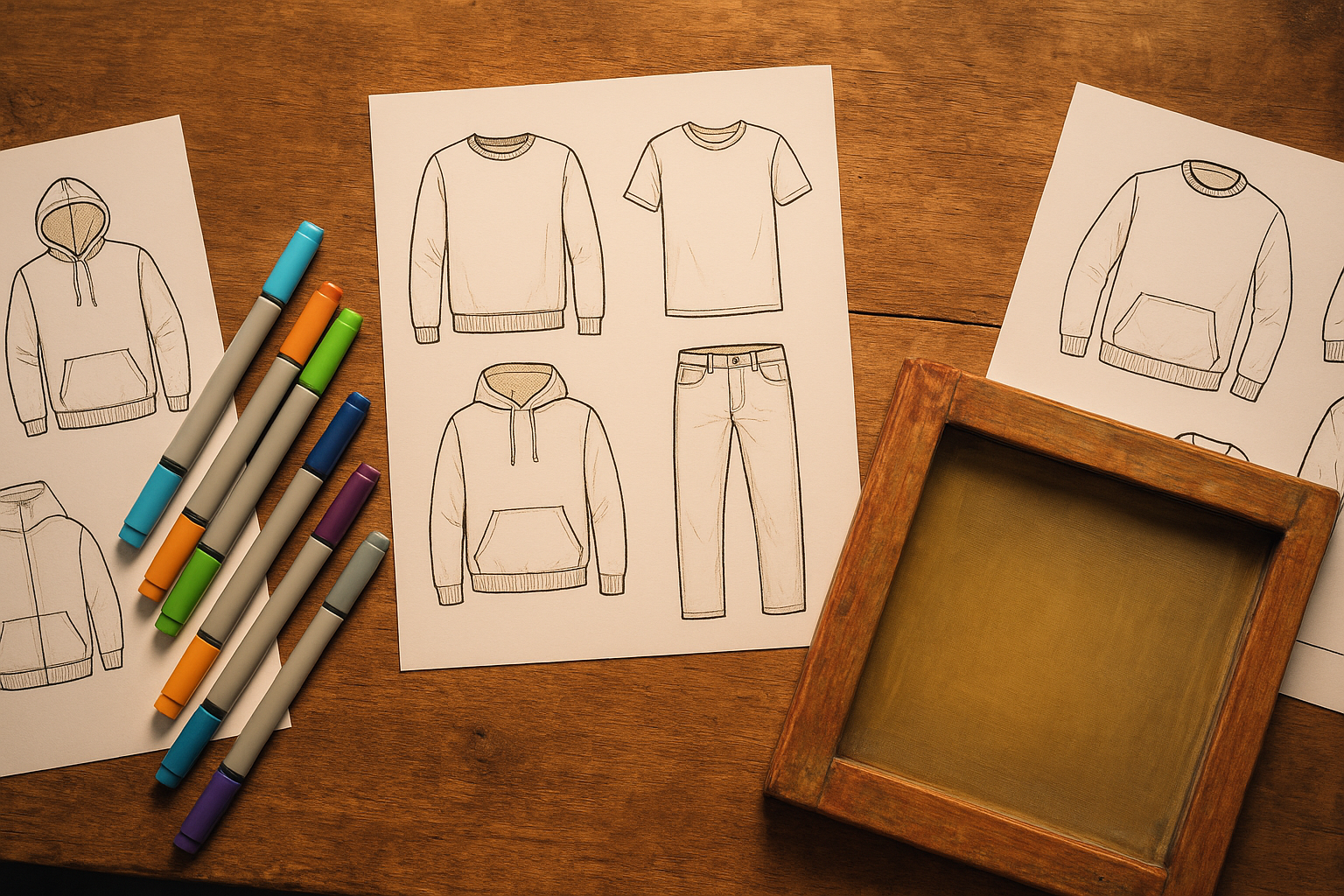
Turning a rough sketch into a finished custom apparel design starts on paper long before it hits fabric.
Why Custom Clothing Design Matters for Your Brand
Beyond simple decoration, custom clothing design gives a brand, event, or personal style a physical presence that people carry into the world. For example, a well-made graphic tee often outlasts a business card or flyer, since people keep wearing it long after the original event ends. Similarly, individuals who wear a design that matches their personality — like a Rat Rod Rebel or Crazy Rednecks graphic — tend to feel more connected to it than to anything mass-produced.
Data backs this up. According to industry research from the Advertising Specialty Institute, a majority of consumers can recall the brand printed on a T-shirt they received within the past year — a far higher recall rate than most digital ads achieve. Therefore, apparel remains one of the most cost-effective ways to keep a design, message, or identity in front of people daily. If you want to see how far a strong graphic can go, check out these custom graphic T-shirts that actually stand out, or explore how to design your own fashion style if you’re building a full personal wardrobe around one concept.
How to Create a Standout Custom Apparel Design (Step-by-Step)
Turning an idea into a finished garment follows a fairly consistent process, whether you’re designing one shirt or ordering apparel in bulk for a whole crew. Unlike a simple product picker, a real design workflow has seven distinct stages — skipping any one of them is usually where projects go wrong.
- Define your concept and audience. Decide what message, theme, or vibe your design should express and who will actually wear it, since a redneck off-road graphic reads very differently than a minimalist corporate logo.
- Sketch or digitize your design. Rough out your idea by hand or in design software, focusing on a clear focal point and legible text before adding fine detail or shading, since overworked art rarely prints as cleanly as a simple, bold concept.
- Choose your print method and fabric. Match your artwork complexity and order size to either screen printing, digital printing, DTF, or embroidery, then pick a soft-feel fabric weight that will hold ink or thread through repeated washing.
- Select colors and finalize artwork files. Limit your color count to fit your budget and print method, then export a high-resolution vector or 300 DPI file so edges stay crisp during printing instead of blurring at the seams.
- Confirm placement and sizing across the garment lineup. Check how your design sits on youth, adult, and extended sizes, since a graphic centered on a medium tee can shift noticeably on a 3XL or a youth small.
- Order a sample or proof before bulk production. Request a single sample before committing to a full bulk order, checking placement, color accuracy, and fabric feel against your original concept.
- Review, approve, and schedule production. Once the sample matches expectations, lock in quantities, confirm the turnaround timeline, and give final written approval so production can begin without delay.
For more visual inspiration before you start sketching, browse these creative T-shirt ideas or read a full walkthrough on how to design custom T-shirts that stand out.
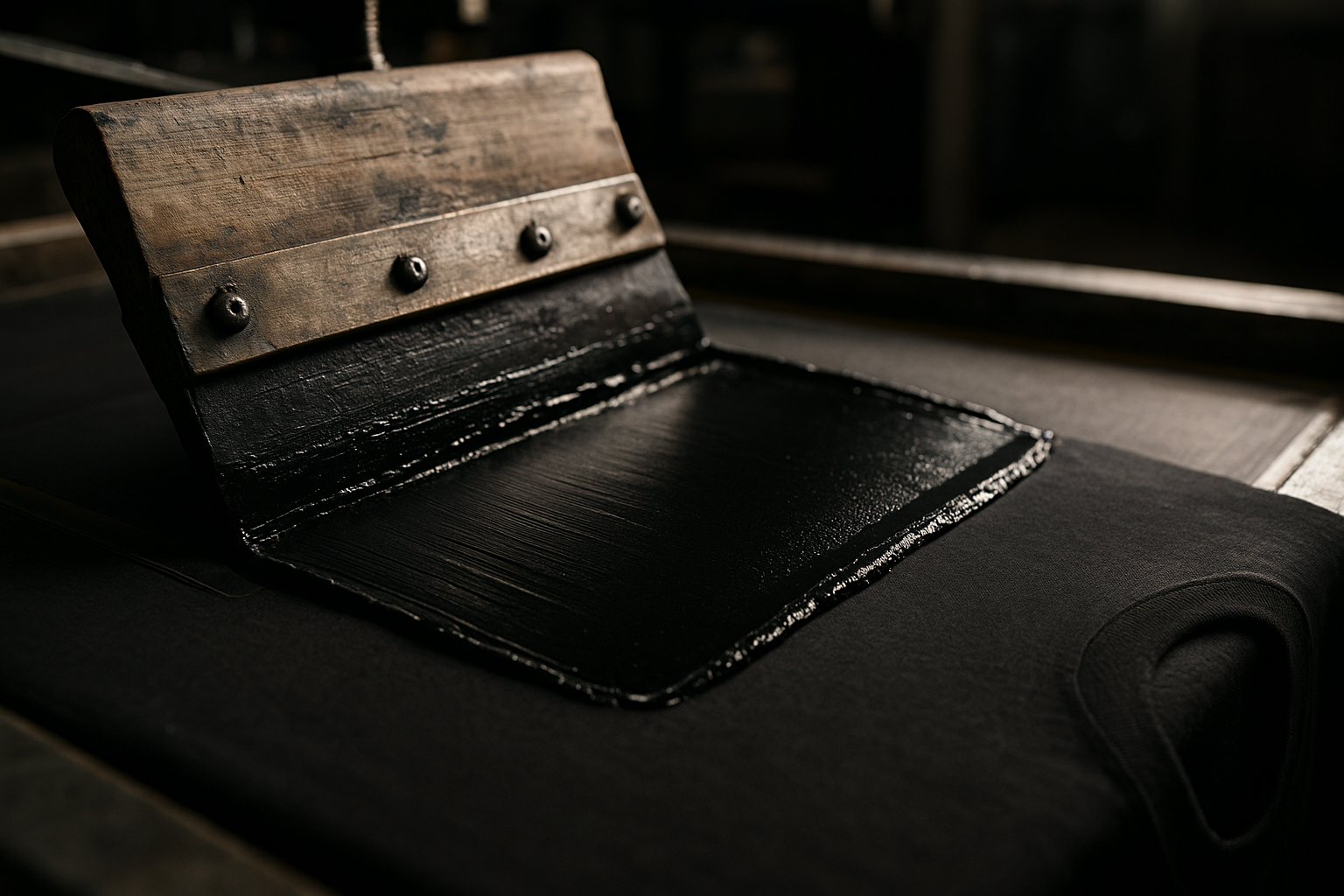
Screen printing on soft-feel fabric helps a custom apparel design resist fading through repeated washes.
Screen Printing vs Digital Printing vs DTF vs Embroidery
Choosing a print method is one of the biggest decisions in custom garment design, yet it’s often reduced to a single dropdown menu on generic order sites. In reality, each method trades off cost, durability, and detail differently, so it deserves a closer look.
- Screen printing pushes ink through a mesh stencil and excels at bulk orders with one to six solid colors, offering the most durable, wash-resistant finish for simple graphics.
- Digital printing (DTG) sprays ink directly onto fabric fibers, which makes it ideal for photo-realistic, multi-color artwork in smaller runs where screen setup costs wouldn’t make sense. You can read more about the underlying process in this direct-to-garment printing overview.
- DTF (direct-to-film) transfers print art onto a film that’s then heat-pressed onto fabric, combining strong color vibrancy with flexibility across different garment types, including blends that resist traditional screen printing.
- Embroidery stitches thread directly into fabric rather than applying ink, producing a raised, premium texture that works especially well on caps, polos, and jacket branding. See this embroidery reference for technique background.
In short, there’s no single “best” method — instead, the right choice depends on your color count, order size, fabric type, and how long you need the design to last.
Picking the Right Fabric for Custom Garment Design
Even the best artwork looks weak on the wrong fabric. In particular, thin, low-quality cotton tends to pill and fade quickly, while a heavier, soft-feel blend holds screen-printed ink more evenly and resists cracking through the wash. As a result, fabric choice deserves just as much attention as the artwork itself.
Additionally, garment labeling and fiber content matter for anyone selling custom apparel commercially. The Federal Trade Commission’s textile labeling guidance outlines what fiber content and care information must appear on tags, which is worth reviewing before launching a product line. If you’re designing matching sets for a family event or reunion, take a look at these custom family matching shirts for fabric and sizing ideas across age groups.
Beyond T-Shirts: Custom Apparel Design for Bags, Hoodies, and More
Custom apparel design isn’t limited to T-shirts. In fact, the same concept, fabric, and print-method decisions apply across hoodies, crop tops, sweatshirts, headwear, and even tote bags or duffel bags used for merchandise drops and event swag. However, each product type has its own quirks worth planning for.
For example, bags typically use a different printing surface than apparel — often a flatter weave that favors DTF transfers or embroidery over traditional screen printing. Similarly, headwear like caps and beanies usually requires a smaller, simplified version of your main design, since curved surfaces and tight stitching areas limit how much detail will translate cleanly. Planning your full merchandise lineup around one consistent design language, rather than treating each product as a separate project, keeps your brand look cohesive across everything you sell. For a deeper walkthrough on extending one design concept across an entire product line, see this custom merchandise guide for bold apparel that lasts.
Common Mistakes to Avoid in Personalized Apparel Design
Even experienced buyers run into avoidable problems. For instance, using a low-resolution logo pulled from a website often results in blurry or pixelated prints, since web images rarely meet the 300 DPI standard needed for clean output. Similarly, cramming too many colors into a screen-printed design can push costs higher than expected, because each color requires its own screen.
Other frequent missteps include ignoring how a design sits on different body types and skipping a proof before a full bulk run. In contrast, taking an extra day to review a sample almost always saves money and frustration later. Above all, clear communication with your printer about placement, sizing, and color expectations prevents most surprises before they happen.
Sustainability in Custom Apparel Design
Sustainability is increasingly part of the custom apparel design conversation, and it’s worth factoring in early rather than as an afterthought. Specifically, choosing heavier, well-made blanks over thin fast-fashion garments means fewer replacements over time, which reduces textile waste at the source. In addition, water-based screen printing inks generally carry a lighter environmental footprint than older plastisol formulas, while still holding up well on soft-feel fabrics.
Furthermore, ordering in accurately-planned bulk batches — rather than over-ordering “just in case” — cuts down on unsold inventory that often ends up discarded. Therefore, a thoughtful approach to custom clothing design isn’t only about how a shirt looks; it’s also about how long it lasts and how responsibly it was produced.
Bringing Vintage Style Into Custom Apparel Design
Vintage-inspired graphics pulling from 70s and 90s styling remain popular because they carry built-in nostalgia while still feeling current with a modern twist. In particular, bold typography, distressed textures, and rebellious motor-culture imagery — like off-road, hot rod, and rat rod themes — give a design personality that a plain logo simply can’t match.
Meanwhile, pairing that vintage aesthetic with a soft-feel, premium fabric keeps the final product comfortable enough for daily wear, not just special occasions. You can browse ready-made examples of this approach, along with fully custom options, at Mild 2 Wild Custom T-Shirt Apparel, where themed collections built around a bold, unapologetic aesthetic sit alongside individual and bulk custom orders.
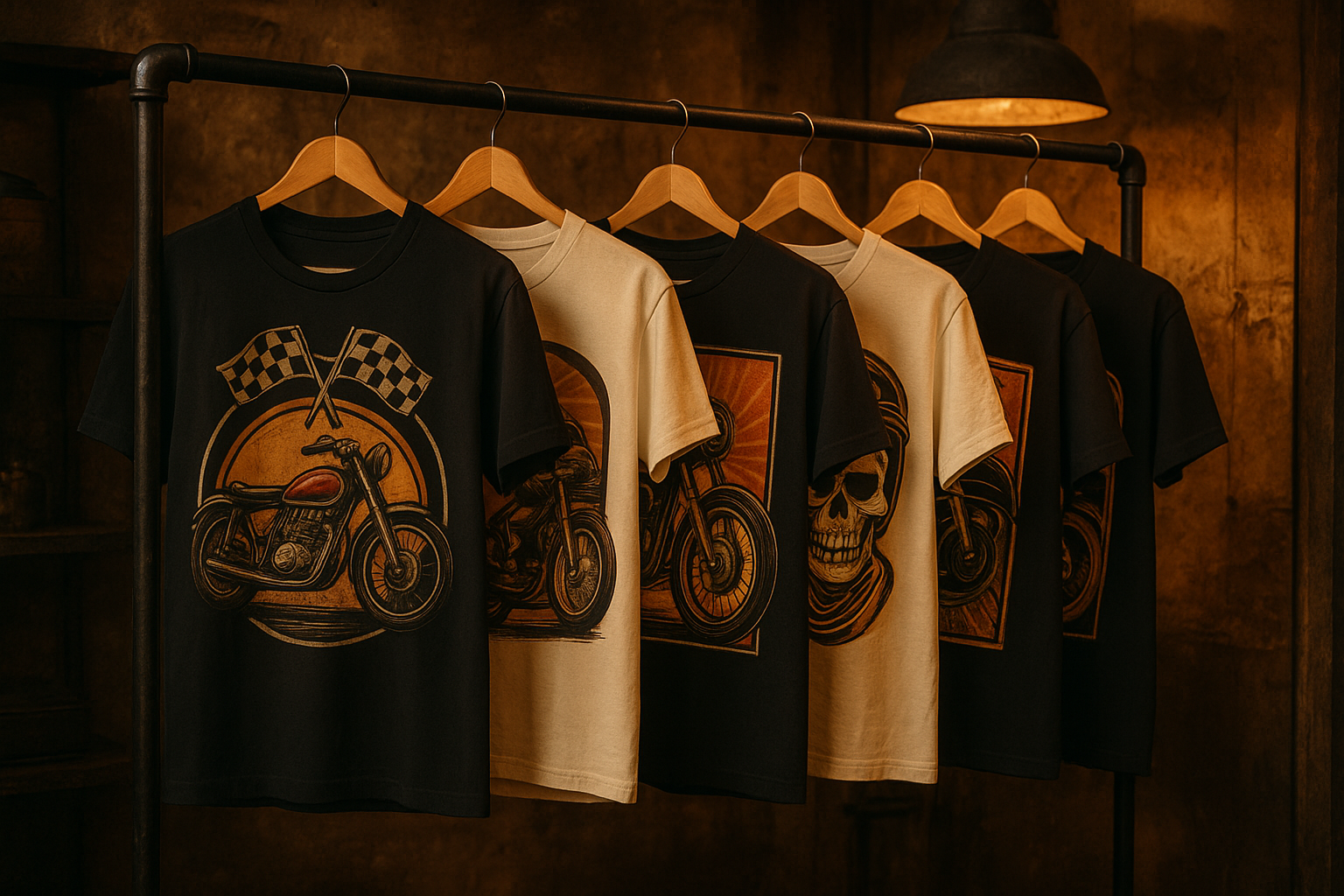
Finished custom apparel design pieces combine vintage motor-culture graphics with modern print quality.
Custom Apparel Design for Teams, Events, and Businesses
Bulk ordering changes the math on custom apparel design considerably. Specifically, per-unit pricing drops as order size grows, which makes a themed run for a club, race team, or company event far more affordable per shirt than a single custom order. However, bulk production also raises the stakes on getting the proof right the first time, since a mistake multiplies across dozens or hundreds of garments instead of just one.
For that reason, confirming size breakdowns, color accuracy, and placement before full production matters even more at scale. If you’re planning a larger run, this guide on bulk custom apparel that actually stands out walks through exactly how to avoid the common pitfalls of ordering at volume.
Frequently Asked Questions About Custom Apparel Design
What is custom apparel design?
Custom apparel design is the process of creating original artwork or text and applying it to clothing like T-shirts, hoodies, or caps using methods such as screen printing. It lets individuals and brands create wearable pieces that reflect a specific look, message, or identity.
How do I start designing custom apparel for my brand?
Start by defining your concept, audience, and the message you want the design to communicate. From there, sketch your idea, choose a print method and fabric, and work with a printer to finalize artwork files.
What’s the difference between screen printing and digital printing?
Screen printing pushes ink through a mesh stencil and holds up well on bulk orders with simple color palettes, while digital printing sprays ink directly onto fabric and suits detailed, multi-color art in smaller runs. Screen printing generally produces more durable color on soft-feel fabrics over repeated washes.
How much does custom apparel design typically cost?
Pricing depends on garment type, number of print colors, and order quantity, with bulk orders lowering the per-unit cost significantly. A single custom shirt often costs more than a bulk run of 24 or more identical designs.
How long does the process take from concept to finished apparel?
Most custom orders take one to two weeks from approved artwork to finished garments, though this varies with order size and print complexity. Rush options are sometimes available for time-sensitive events.
What file formats work best for submitting artwork?
Vector files such as AI, EPS, or high-resolution PDF work best because they scale cleanly without losing quality. High-resolution PNG or PSD files at 300 DPI are acceptable alternatives for photographic or detailed artwork.
Can I order custom apparel design in bulk for events or teams?
Yes, bulk ordering is commonly available for teams, events, and businesses that need matching apparel in various sizes. Bulk orders typically reduce cost per piece while keeping consistent print quality across the run.
What fabrics work best for a design that needs to last?
Soft-feel, premium cotton or cotton-blend fabrics hold screen-printed ink well and resist cracking or fading through multiple washes. Heavier fabric weights also tend to hold detailed prints better over time.
What are common mistakes people make in personalized apparel design?
Common mistakes include using low-resolution images, choosing too many colors for the budget, and ignoring how placement looks on an actual body. Skipping a proof before full production is another frequent and costly error.
Do I need design experience to create custom apparel?
No, you do not need professional design experience since many printers offer design assistance or templates to guide the process. Sharing a clear concept and reference images is often enough to get started.
How many colors can I use in a design?
Screen printing typically works best with one to six colors since each color requires a separate screen, which affects cost. Digital printing allows unlimited colors but is usually better suited to smaller order quantities.
What sizes and product types are available for custom apparel design orders?
Custom apparel design typically spans men’s, women’s, and children’s T-shirts, hoodies, sweatshirts, pants, and crop tops, along with headwear like caps and beanies and accessories like tote or duffel bags. Size ranges usually cover youth through adult extended sizing depending on the garment.
Can I customize bags and accessories along with apparel?
Yes, tote bags, duffel bags, and similar accessories can usually be customized alongside apparel, though they often use DTF transfers or embroidery rather than screen printing due to their flatter, denser weave. Planning bags and apparel together keeps your design language consistent across an entire product lineup.
Should I use an online design tool or work with a dedicated print shop?
Online tools work fine for simple, one-off designs, but a dedicated print shop typically offers better fabric options, color matching, and proofing support for anything beyond a basic template. For brand-critical or bulk orders, hands-on guidance usually produces a more durable, accurate final product.
Final Thoughts on Custom Apparel Design
Ultimately, custom apparel design succeeds when a strong concept, the right print method, and durable fabric come together in one finished piece. From defining an idea to choosing colors, confirming sizing, and ordering a sample, each step matters just as much as the artwork itself. Whether you’re building a themed collection, outfitting a team, designing matching bags and apparel, or just want one shirt that fits your style perfectly, taking the process seriously pays off in a garment people actually keep wearing. For more detailed inspiration, visit Mild 2 Wild Custom T-Shirt Apparel and see how vintage-inspired graphics meet modern, long-lasting print quality.