
Blog
Custom Headwear Screen Printing: Complete Guide 2026


Custom headwear screen printing is the go-to method for turning a flat logo or vintage-style graphic into a durable, eye-catching design on caps, beanies, and hats. Unlike simple heat transfers, this technique presses ink directly into the fabric fibers, so the artwork survives sun, sweat, and repeated washing. Whether you’re outfitting a crew with matching trucker hats or printing a one-off dad hat for yourself, understanding how the process works helps you order smarter and get better results.
At Mild 2 Wild Custom T-Shirt & Apparel, headwear printing follows the same in-house, soft-feel, fade-resistant standards used across our full apparel line, from vintage-inspired Off Road and Hot Rod graphics to bold Rat Rod Rebel and Crazy Rednecks collections. The rest of this guide breaks down exactly what the process involves, how it compares with other methods, and how to avoid the most common ordering mistakes.
What Is Custom Headwear Screen Printing?
Custom headwear screen printing is a process that pushes ink through a stenciled mesh screen onto a cap, beanie, or hat to create a sharp, long-lasting design. Each color in the artwork gets its own screen, and the ink is cured with heat so it bonds permanently to the fabric.
In practice, this means a printer first burns a design onto a fine mesh screen, then presses specialized ink called plastisol through that screen onto the hat’s surface. Because plastisol sits on top of the fibers rather than soaking in like dye, the result is bold, opaque color that holds up well even on dark fabrics. For a deeper technical breakdown of the chemistry involved, the Wikipedia overview of screen printing is a solid starting reference.
Headwear printing differs from garment printing mainly because of shape. A t-shirt lies flat under the screen, but a cap has a curved crown and a stiff front panel. As a result, printers use specialized cap presses with curved platens that hold the hat steady during the print run, which keeps lines crisp and registration accurate across every unit.
Why Choose Screen Printing for Custom Caps and Beanies
Screen printing remains popular for headwear because of its durability and cost efficiency at scale. Specifically, once the screens are burned, printing additional units costs very little, which makes this method ideal for team orders, event giveaways, or retail-ready product lines.
In addition, the ink itself resists cracking and fading far better than many budget alternatives. According to Printing United Alliance, properly cured plastisol prints can retain strong color vibrancy through dozens of wash cycles when the correct curing temperature is used. That durability matters for headwear, which faces constant sun exposure, sweat, and friction from daily wear.
Screen printing also gives designers more creative freedom than many entry-level methods. Bold vintage graphics, like the 70s and 90s-inspired artwork featured across our Fuel-Hog Wild Boar and Redneck Rat collections, rely on strong color saturation that plastisol ink delivers consistently. For a closer look at how these styles translate onto finished products, our custom printed headwear guide covers cap and beanie options in more detail.
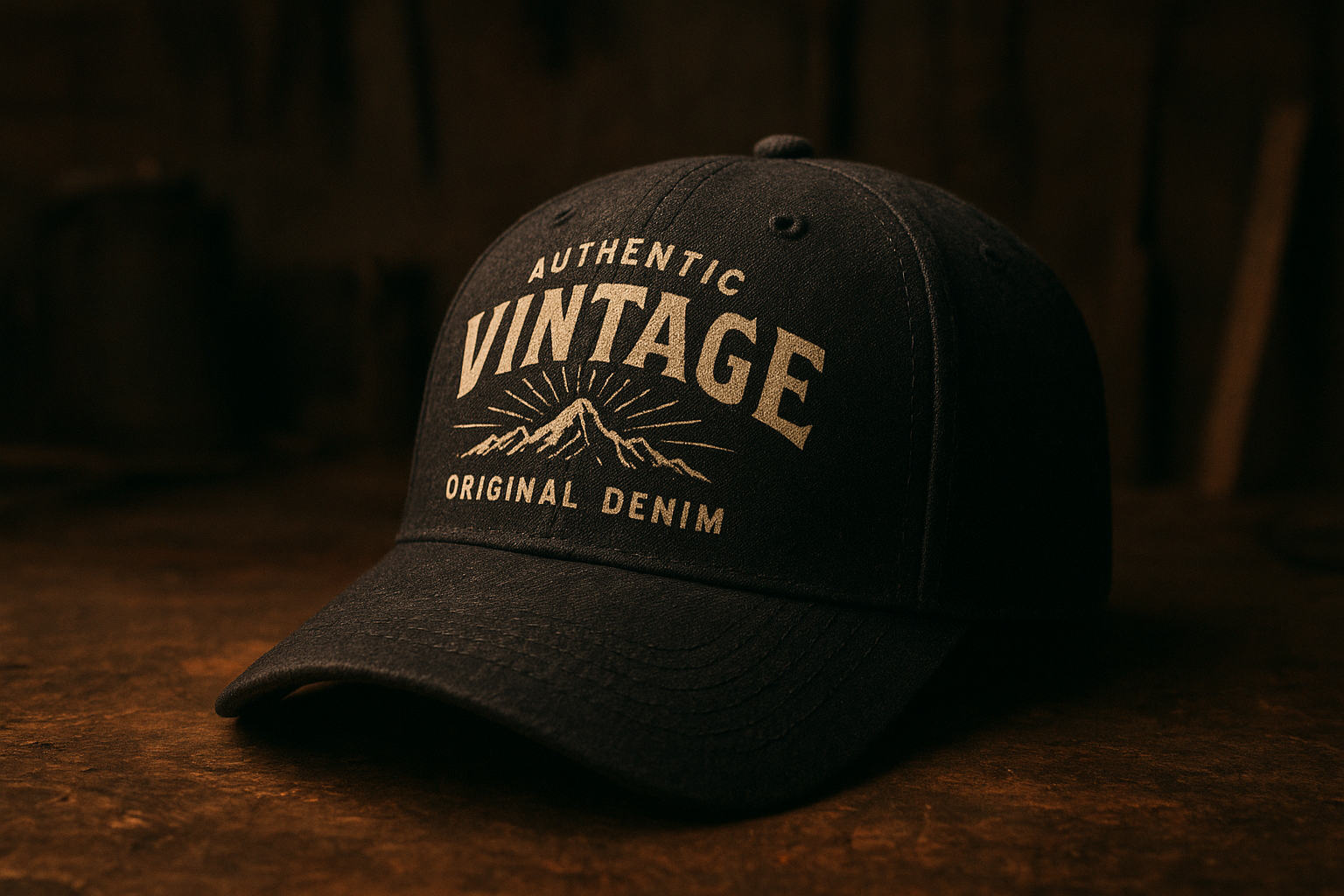
A finished example of custom headwear screen printing on a structured cap, showing crisp ink coverage and color saturation.
The Custom Headwear Screen Printing Process Step by Step
Understanding the production sequence helps explain why headwear printing takes more setup time than a basic t-shirt order. Here is how a typical order moves from concept to finished product.
- Prepare and separate the artwork. The design is converted into a vector file and separated into individual color layers, since each color needs its own screen during printing.
- Burn the screens. A fine mesh screen is coated with light-sensitive emulsion, exposed to the separated artwork, then washed out to leave an open stencil for ink.
- Load and position the hat. The cap or beanie is secured onto a curved cap-press platen so the front panel sits flat and stable enough for an accurate print.
- Apply and cure the ink. Plastisol ink is pushed through the screen with a squeegee, then flash-cured or heat-set so it bonds permanently with the fabric fibers.
- Inspect and finish the order. Each printed hat is checked for registration accuracy, color consistency, and ink coverage before folding, tagging, and packing for shipment.
Because setup requires burning new screens for every unique design, most printers set minimum order quantities to keep costs reasonable. Consequently, bulk orders of 24 units or more typically offer the best price per hat.
Screen Printing vs. Embroidery and DTF for Headwear
Choosing the right printing method for a hat depends on the look you want and how the headwear will be used. Screen printing lays flat, saturated ink onto the surface, which suits bold graphics and fine detail that would be difficult to replicate in thread.
Embroidery, on the other hand, stitches thread directly into the fabric to create a raised, textured logo. This gives a more premium feel but struggles with gradients or highly detailed artwork. Similarly, direct-to-film (DTF) printing transfers a full-color design using heat, which works well for small orders or complex imagery but generally does not match the long-term wash durability of properly cured screen printing on structured caps.
For readers weighing these trade-offs on apparel more broadly, our comparisons on screen printing vs. DTF and screen printing vs. DTG printing walk through the strengths of each method in greater depth. The same underlying principles apply when choosing a technique for caps and beanies.
Choosing the Right Hat Style for Custom Printed Designs
Not every hat style handles printed designs equally well. Structured six-panel caps and dad hats offer a flat, stable front panel that keeps artwork crisp and well-aligned, which is why they remain the most popular choice for logo-heavy or detailed graphics.
Beanies and unstructured caps, by contrast, have softer, more flexible surfaces, so simpler designs with fewer fine lines tend to print more reliably. Trucker hats add another variable with their mesh back panels, which generally cannot be screen printed and instead rely on embroidered patches if branding is needed there.
Our dad hat collection shows how a structured front panel supports bold vintage-inspired graphics without distortion, which is a useful reference point when planning your own design.
Costs and Turnaround Times for Headwear Orders
Pricing for custom headwear screen printing depends on three main variables: hat style, number of ink colors, and total order quantity. A basic one-color logo on a standard cap costs considerably less per unit than a three-color design on a premium trucker hat, mainly because each additional color requires its own screen and setup time.
Turnaround also scales with complexity. Most shops quote 7 to 14 business days for standard production once artwork is approved, though rush service may be available for an added fee. Therefore, it’s worth submitting final artwork early and confirming a proof before locking in a ship date, especially for time-sensitive events.
Common Mistakes to Avoid When Ordering Custom Printed Caps
Even a simple headwear order can run into trouble if a few key details get overlooked. First, submitting low-resolution raster images instead of vector files often leads to blurry or jagged print edges. Second, cramming too many colors into a small front panel can make a design look cluttered rather than bold.
Third, skipping the proof approval step is a frequent and costly mistake. Always review placement, color accuracy, and sizing on a digital proof before production begins, since corrections after printing starts are rarely possible. For a broader look at avoiding apparel printing pitfalls, our guide on custom graphic t-shirts that actually stand out covers similar design principles that apply to headwear too.
Best Practices for Long-Lasting Custom Headwear Prints
To get the most durable result, start with a high-contrast design and limit the color count where possible. Fewer colors mean fewer screens, which keeps setup costs down and reduces the risk of misregistration during printing.
Furthermore, choosing quality base fabric matters just as much as the ink itself. Soft-feel, pre-shrunk headwear fabric holds plastisol ink more evenly and resists cracking through repeated washing, which is why premium fabric selection is built into every order at Mild 2 Wild. For more design inspiration drawn from vintage motor-culture styling, explore the full collection at Mild 2 Wild Custom T-Shirt & Apparel.
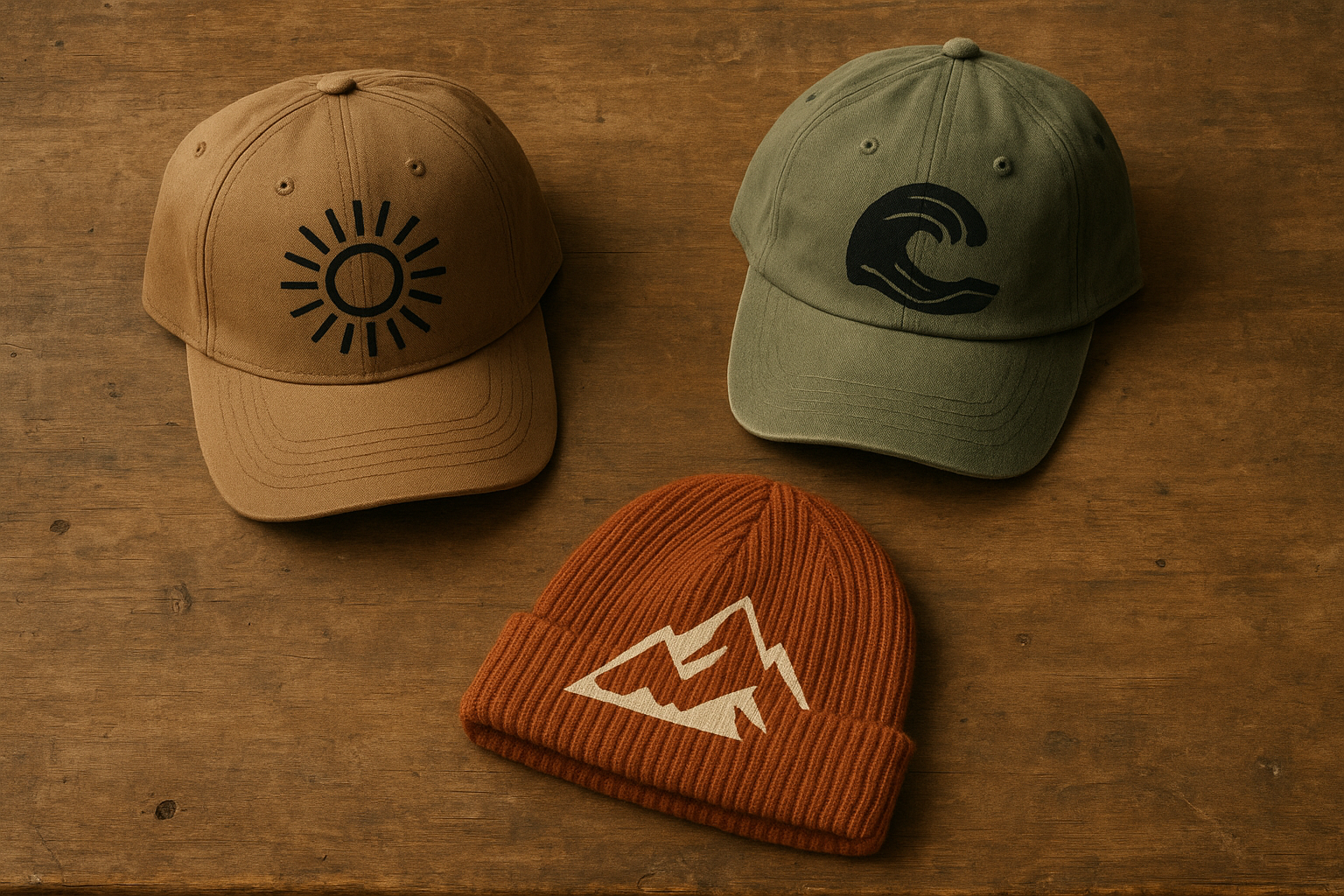
Structured caps, dad hats, and beanies each respond differently to custom headwear screen printing.
Frequently Asked Questions About Custom Headwear Screen Printing
What is custom headwear screen printing?
Custom headwear screen printing is a process that pushes ink through a stenciled mesh screen onto caps, beanies, and hats to create a durable, vibrant design. It is widely used for logos, team names, and branded merchandise because the ink bonds tightly with the fabric fibers.
How does screen printing on hats differ from printing on t-shirts?
Hats have curved, three-dimensional surfaces, so printers use specialized cap presses with curved platens instead of the flat pallets used for shirts. This also limits the printable area, usually to the front panel or a side patch.
How long does custom headwear screen printing take to complete?
Standard turnaround for bulk headwear orders typically runs 7 to 14 business days after artwork approval. Rush production is sometimes available for an added fee, depending on order size and screen setup.
How much does custom headwear screen printing cost?
Pricing depends on hat style, number of ink colors, and order quantity, but costs typically drop significantly once orders exceed two dozen units. A one-color logo on a basic cap costs far less than a multi-color design on a premium trucker hat.
What types of hats work best for screen printing?
Structured caps, dad hats, and flat-panel trucker hats work best because they offer a stable, mostly flat front panel for ink application. Beanies and unstructured caps can still be printed but may need smaller, simpler artwork.
Can screen printing be used on curved hat panels?
Yes, specialized cap printing presses use curved platens that match the shape of the hat’s front panel. This allows crisp, accurate prints even on structured six-panel caps.
What is the minimum order quantity for custom printed caps?
Minimum order quantities vary by printer, but many shops require 12 to 24 units to make screen setup cost-effective. Smaller personal orders are sometimes possible using digital methods instead.
How long do screen-printed designs last on hats?
A properly cured screen print on quality headwear fabric can last through years of regular wear and dozens of washes without major fading. Curing temperature and ink quality are the biggest factors in long-term durability.
What’s the difference between screen printing and embroidery for headwear?
Screen printing lays flat, vibrant ink onto the fabric surface, while embroidery stitches thread to create a raised, textured logo. Screen printing suits detailed, multi-color artwork, while embroidery offers a more premium, textured feel.
What common mistakes should I avoid when ordering custom printed hats?
Common mistakes include submitting low-resolution artwork, choosing too many colors for a small print area, and skipping a proof approval step. Always confirm placement and color accuracy before full production begins.
Can I screen print multiple colors on one hat design?
Yes, multi-color designs are possible, but each color requires a separate screen, which increases setup cost. Many headwear designs are kept to one or two colors to balance visual impact with affordability.
Is screen printing better than DTF for caps and beanies?
Screen printing generally offers better durability and a more vibrant, long-lasting finish on structured headwear, while DTF can be more economical for very small or highly detailed orders. The best choice depends on order size, design complexity, and budget.
What file format do I need for a custom headwear screen printing order?
Vector files such as AI, EPS, or high-resolution PDF are preferred because they scale cleanly for color separation. If only a raster image is available, it should be at least 300 DPI at the intended print size.
Final Takeaways on Custom Headwear Screen Printing
Custom headwear screen printing continues to be one of the most reliable ways to put bold, long-lasting designs on caps, beanies, and hats, especially for bulk orders where cost efficiency and durability matter most. From preparing vector artwork to curing plastisol ink at the right temperature, every step in the process directly affects how well the finished hat holds up over time.
In short, choosing the right hat style, keeping color counts reasonable, and approving a proof before production are the simplest ways to avoid common pitfalls. Whether you’re ordering a single vintage-inspired dad hat or outfitting a whole crew, understanding how custom headwear screen printing works puts you in a much stronger position to get a result you’ll actually want to wear.