
Blog
Soft-Feel Screen Printed Hoodies That Last for Years


Soft-feel screen printed hoodies combine two things shoppers rarely get together: a buttery-soft fleece feel and a graphic that refuses to crack, peel, or fade after dozens of washes. For anyone browsing motor culture, off-road, or vintage-inspired apparel, that combination matters more than it seems, because a stiff or flaking print ruins an otherwise great hoodie. This guide breaks down what makes these hoodies different, how the printing process actually works, and how to keep your favorite hoodie looking sharp for years.
Quick Answer: Soft-feel screen printed hoodies are hooded sweatshirts made from brushed, mid-weight cotton-blend fleece that have been decorated using screen printing, where ink is pushed through a mesh stencil and cured with heat. This process bonds the design into the fabric fibers, so the print stays flexible and vivid through 50 or more wash cycles while the fleece keeps its soft hand-feel.
What Are Soft-Feel Screen Printed Hoodies?
Soft-feel screen printed hoodies are hooded pullovers or zip-ups made from fleece that has been brushed on the inside for comfort, then printed using screen printing rather than vinyl, embroidery, or basic heat transfer. In short, the fabric feels soft against the skin while the graphic underneath is printed directly into the fibers rather than sitting on top as a stiff layer. Consequently, the hoodie moves and stretches naturally without the design cracking the way cheaper transfer prints often do.
At Mild 2 Wild, that approach is applied across themed collections like Off Road, Hot Rod, and Rat Rod Rebel, where bold vintage-inspired graphics need a fabric that can handle years of wear. Because the printing happens in-house, the fabric choice and ink application are controlled together, which is exactly what produces that soft-feel result shoppers notice the first time they put one on.
Why Premium Printed Hoodies Feel Different
Not every hoodie labeled “soft” actually feels that way after a few washes. In particular, the softness of premium printed hoodies comes down to three factors: the fleece weight, the cotton-to-polyester ratio, and how thoroughly the interior is brushed during manufacturing. A mid-weight blend, generally between 8 and 10 ounces, strikes the right balance between warmth and flexibility.
Furthermore, soft-feel fabric resists the common problem of ink show-through, where a graphic bleeds through to the inside of a lighter hoodie. Readers who want a deeper look at what separates quality construction from discount alternatives can review this breakdown of why premium printed hoodies stand out from mass-market options. Similarly, shoppers comparing hoodie fabric to other soft-feel garments may find it useful to see how soft-feel sweatshirts achieve the same comfort-first approach.
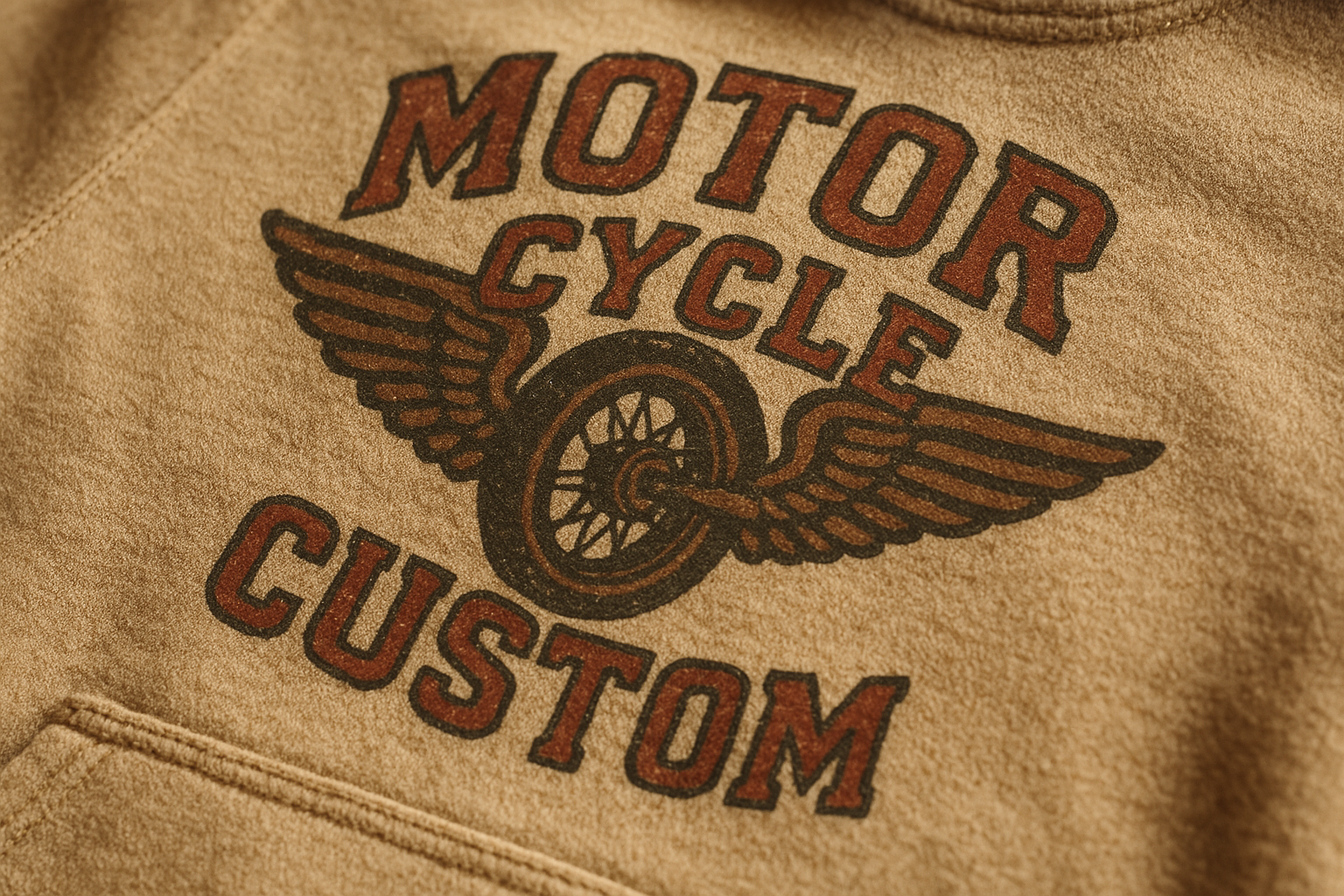
The brushed fleece interior is what gives soft-feel screen printed hoodies their signature comfort.
The Screen Printing Process Behind Long-Lasting Hoodies
Understanding how screen printing actually works helps explain why it outlasts cheaper decoration methods. As detailed on Wikipedia’s overview of screen printing, the technique has been used on textiles for decades because ink is forced through a mesh stencil directly into the fabric rather than layered on top. Here is the general process, step by step:
- Design separation: Artwork is split into individual colors, and each color gets its own stencil so detailed graphics print cleanly.
- Screen creation: A fine mesh screen is coated with emulsion, exposed to the design, then washed out to reveal the open print areas.
- Ink application: The hoodie is placed on a press, and a squeegee pushes ink through the screen into the fleece fibers.
- Heat curing: The printed hoodie passes through a dryer that cures the ink, locking the design into place so it survives machine washing.
As a result, screen printed ink becomes part of the garment instead of a separate coating that can peel away. Industry sources generally agree this is why screen printing remains the standard for apparel expected to survive 50 or more wash cycles, far outpacing basic iron-on transfers.
Soft-Feel Screen Printed Hoodies vs. Standard Printed Hoodies
So how does this compare to the printed hoodies found at most big-box retailers? Standard printed hoodies often use thinner fleece and heat-transfer vinyl, which sits on top of the fabric as a plastic-like layer. While that method is cheaper to produce, it tends to crack and peel within a year of regular washing.
In contrast, soft-feel screen printed hoodies use heavier, brushed fleece paired with ink that bonds into the fibers. Therefore, the print stretches with the fabric instead of resisting it. Shoppers who want to see this difference firsthand can browse an example like this unisex screen printed hoodie, which uses the same soft-feel fleece and in-house printing described throughout this guide.
Styling Soft-Feel Hoodies With Vintage-Inspired Graphics
Vintage-inspired graphics pulling from 70s and 90s styling remain a defining trend in motor culture apparel, and hoodies are one of the best canvases for that look. Bold, distressed lettering paired with muscle car silhouettes or off-road graphics gives a hoodie personality that a plain sweatshirt simply cannot match. In fact, this is the exact philosophy behind collections like Fuel-Hog Wild Boar and Crazy Rednecks, where the “Built Wild. Born Loud.” identity drives every design choice.
Additionally, soft-feel fabric plays a role in how these graphics read visually. A brushed, slightly textured surface diffuses ink just enough to give prints a worn-in, authentic feel rather than a flat, plasticky sheen. That texture is part of why vintage-style graphics look more convincing on quality fleece than on thin, budget fabric.
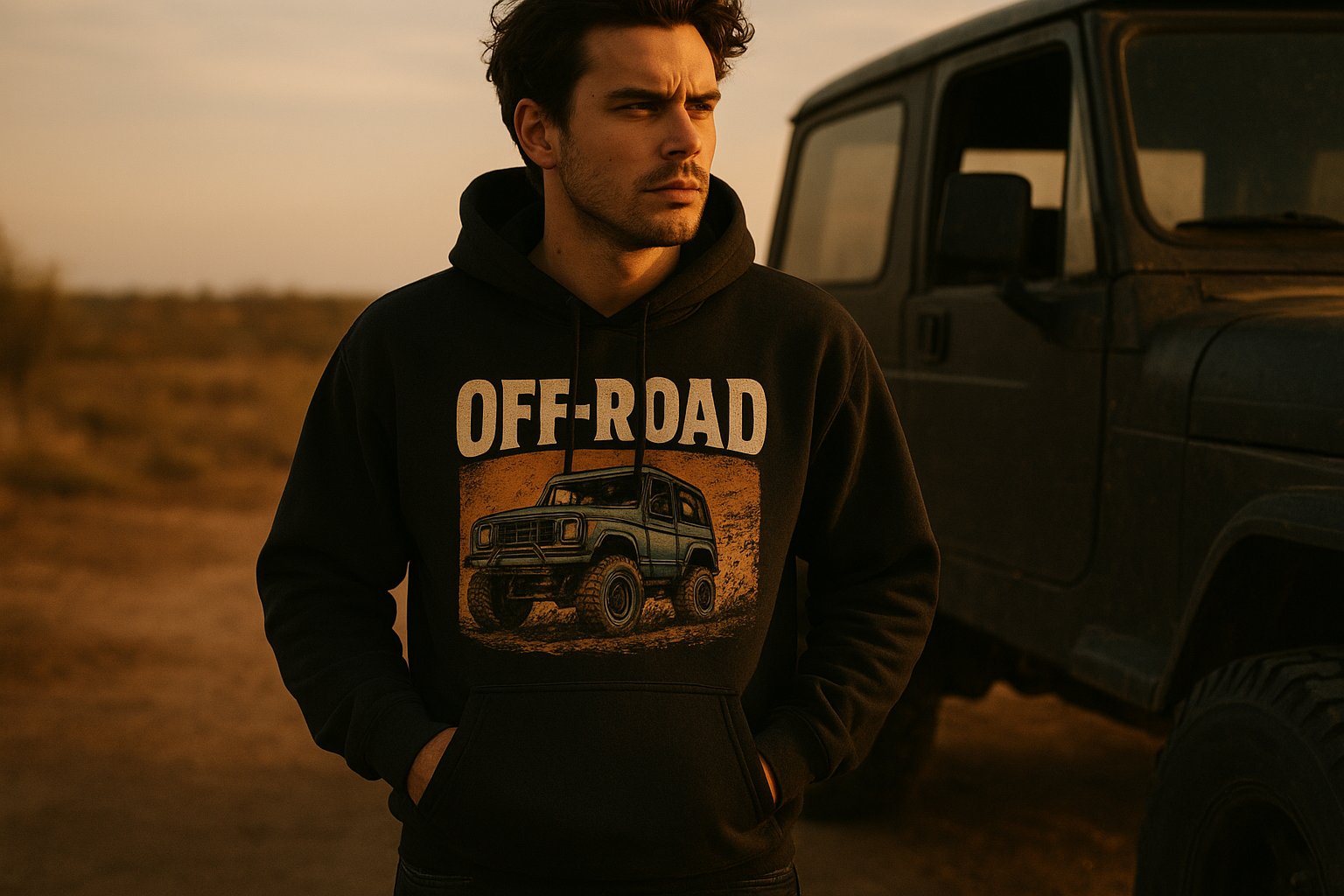
Vintage-inspired graphics paired with soft-feel fleece capture the bold motor culture aesthetic.
Custom Soft-Feel Screen Printed Hoodies for Every Occasion
Beyond ready-made collections, custom soft-feel screen printed hoodies let individuals and groups bring their own designs to life using the same premium fabric and printing process. This matters for teams, events, businesses, or anyone wanting a design that does not exist anywhere else. Specifically, custom orders at Mild 2 Wild use identical soft-feel fleece and in-house screen printing as the retail line, so quality never drops just because an order is personalized.
Bulk ordering is also available, which lowers the per-unit cost as quantities increase since screen setup costs spread across more garments. For step-by-step guidance on building a custom design from scratch, this resource on designing bold, long-lasting custom hoodies walks through the process in more detail. Families looking for matching youth sizes may also want to check options for children’s hoodies with bold custom prints, which use the same soft-feel construction scaled down for kids.
How to Care for Soft-Feel Screen Printed Hoodies
Even the most durable print can degrade faster than expected with the wrong wash routine. According to general textile care guidance published by the U.S. Federal Trade Commission on care labeling, following a garment’s listed instructions is the single biggest factor in preserving both fabric and print quality over time. A few practical habits make a noticeable difference:
- Turn the hoodie inside out before washing to reduce direct friction on the print.
- Use cold or warm water instead of hot, since heat is the main cause of ink cracking.
- Skip fabric softener on printed areas, as it can leave a residue that dulls ink vibrancy.
- Air dry when possible, or use low heat, rather than high-heat tumble drying.
Above all, consistency matters more than any single step. A hoodie washed carefully every time will outlast one that gets occasional gentle treatment mixed with harsh hot washes. You can review the full product care philosophy and shop additional soft-feel styles directly at Mild 2 Wild’s online collection.
Frequently Asked Questions
What are soft-feel screen printed hoodies?
Soft-feel screen printed hoodies are hooded sweatshirts made from brushed, mid-weight cotton-blend fleece decorated with screen printing, a method that pushes ink through a mesh stencil directly into the fabric. The combination produces a comfortable hand-feel alongside a durable, vivid graphic.
How long do screen printed hoodies last before the design fades?
Quality screen printed hoodies typically hold their color through 50 or more wash cycles when cared for properly. Most fading happens because of hot water or high-heat drying rather than the printing method itself.
Why does the fabric feel softer on some printed hoodies than others?
Softness depends on fleece weight, the cotton-to-polyester blend, and how thoroughly the inside is brushed during manufacturing. Mid-weight cotton-blend fleece with a brushed interior creates the soft-feel texture most shoppers want.
Are soft-feel screen printed hoodies better than vinyl or heat-transfer hoodies?
Screen printing generally outperforms vinyl and basic heat-transfer methods because ink bonds into the fabric fibers rather than sitting on top as a separate layer. As a result, screen printed designs feel softer and resist cracking longer.
How much do custom screen printed hoodies cost?
Pricing depends on fleece weight, number of print colors, and order quantity. Bulk orders significantly lower the per-unit price since screen setup costs are spread across more garments.
Can children’s hoodies be made with the same soft-feel screen printing?
Yes, children’s hoodies can use the identical soft-feel fabric and screen printing process used on adult sizes, simply scaled down. This keeps durability and comfort consistent across family-matching orders.
What is the step-by-step process for screen printing a hoodie?
The process includes design separation, mesh screen creation, ink application through the stencil, and heat curing the print. Each stage directly affects how soft and durable the finished hoodie feels.
How do I wash soft-feel screen printed hoodies without ruining the print?
Turn the hoodie inside out, wash in cold or warm water on a gentle cycle, and avoid fabric softener on printed areas. Air drying or low-heat tumble drying protects both the fleece texture and the graphic.
What is the most common mistake people make with printed hoodie care?
The most frequent mistake is washing or drying hoodies on high heat, which accelerates ink cracking and fabric pilling. Lower temperatures preserve both the print and the soft-feel fabric.
Are vintage-inspired graphic hoodies still popular?
Yes, vintage-inspired graphics blending 70s and 90s styling with modern cuts remain a strong trend in motor culture and streetwear apparel. Bold, nostalgic artwork continues to appeal to shoppers seeking distinctive style.
Can I order bulk soft-feel screen printed hoodies for a group or event?
Yes, bulk ordering is available for teams, events, and businesses, and larger quantities typically reduce the price per hoodie. These orders use the same soft-feel fabric and printing quality as individual retail pieces.
What fabric weight is best for soft-feel screen printed hoodies?
A mid-weight cotton-polyester blend fleece, generally between 8 and 10 ounces, balances warmth, softness, and print durability. Heavier fleece can feel stiff, while very lightweight fabric may allow ink to show through.
Final Thoughts on Soft-Feel Screen Printed Hoodies
In the end, soft-feel screen printed hoodies earn their reputation by combining brushed, premium fleece with a printing method that bonds ink into the fabric instead of resting on top of it. That pairing is what allows bold, vintage-inspired graphics to survive years of regular wear and washing without cracking or fading. Whether shopping ready-made designs from collections like Off Road and Hot Rod or building a fully custom order, the same fabric and printing standards apply. For anyone comparing options, soft-feel screen printed hoodies consistently deliver more comfort and longevity than standard vinyl-printed alternatives, making them a practical choice for individuals, families, and bulk group orders alike.